
What condition are the skirting boards in?
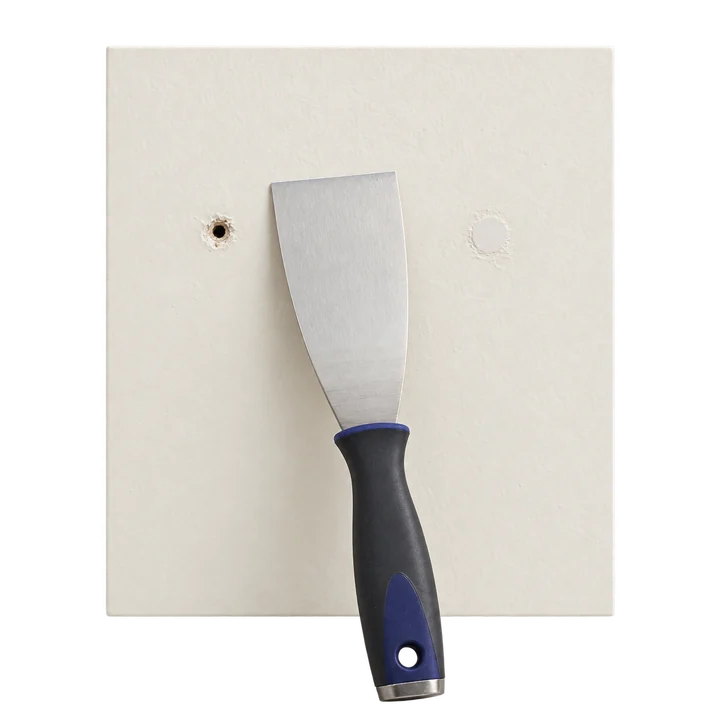
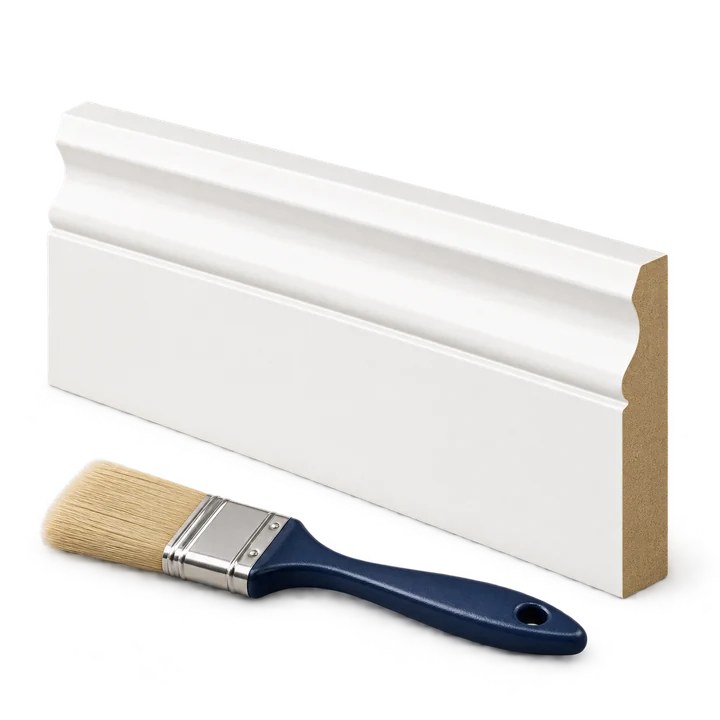
Look along the full length before buying paint. Note bare areas, chips, glossy existing paint, open joints and any swollen or soft material. Check whether the boards are timber, MDF or another material. A white factory coating may be primer rather than a finished surface.
Scroll across to see all columns.
| Starting condition | What to establish before painting |
|---|---|
| Sound, previously painted boards | Cleaning and adhesion preparation required by the new paint system. |
| Bare timber or exposed repairs | Compatible priming and any treatment needed for knots or stains. |
| Factory-primed MDF or HDF | The board supplier's finishing instructions, including newly exposed edges. |
| Peeling paint or damaged material | Cause and extent of failure before cosmetic preparation. |
| Old coating of unknown composition | Whether hazardous-material assessment is needed before abrasion or removal. |
Do not sand unknown old paint as a first exploratory step. Dulux Trade's Satinwood sheet flags special precautions for older coatings that may contain lead. Swollen boards, continuing damp or extensive failure need their cause assessed before a repaint.
Which paint and primer should you use?
Choose a finish specified for the actual interior woodwork or board surface, in the sheen and colour you want. Read the preparation, primer, application and drying instructions together. A paint described as self-undercoating does not automatically remove the need to prime bare material.
For example, solvent-based Dulux Trade Satinwood is self-undercoating but still specifies an appropriate primer on bare surfaces. Its normal finish is two coats, with undercoat potentially needed for a strong colour change. Those requirements belong to that product, not every satin paint.
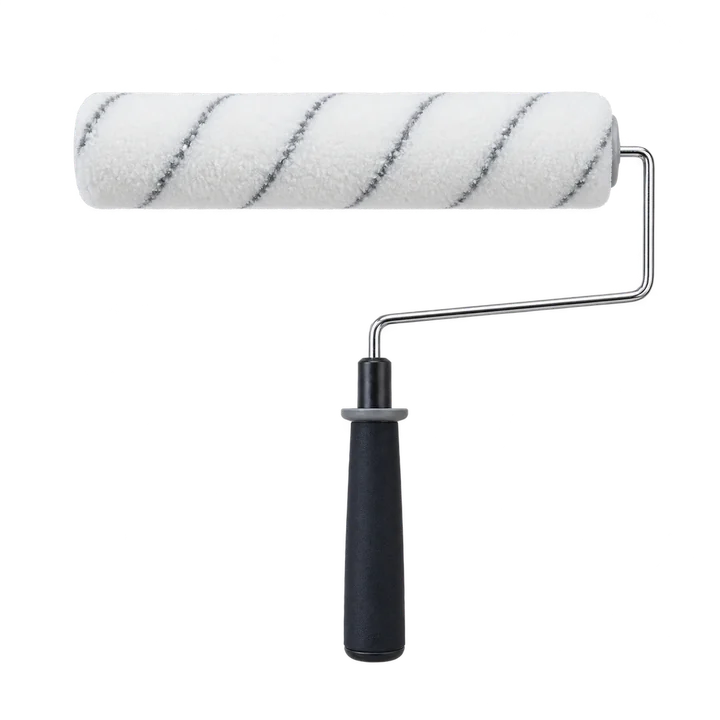
Factory finishes also differ. Skirting World distinguishes unprimed, primed and undercoated boards. Check what was supplied and what remains exposed after fitting. Gather the matching paint, any primer or filler, the recommended brush or roller, suitable cleaning materials and floor protection before starting.
How do you paint skirting boards with carpet fitted?
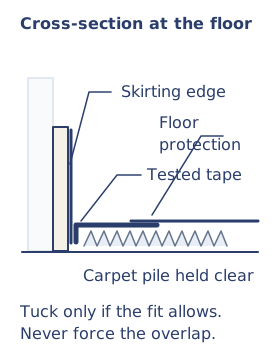
The aim is to keep carpet fibres away from the wet coating and protect against drips. Vacuum the edge first. Choose tape approved for the carpet or adjacent surface, test it discreetly and cover the wider floor with stable protection.
- Inspect the gap. Check that the pile can be held clear without pulling up the carpet or disturbing its fixing.
- Protect the edge. Wickes illustrates an overlapping tape edge tucked between carpet and skirting. Use this only where the fit and selected tape allow it; do not force a sharp tool into the carpet.
- Check the barrier before painting. No fibres should spring into the area you will coat. Keep the dust sheet and tape stable as you move along the wall.
- Plan removal. Use the tape maker's timing and method. Keep the paint-coated edge away from the carpet as you lift it.
If thick pile cannot be kept clear, stop and arrange a suitable protection or carpet-handling method. Painting against unprotected fibres makes the edge difficult to recover. With a hard floor, use protection compatible with its finish and avoid forcing tape or a tool into an expansion gap.
Do skirting boards need sanding before painting?
That depends on the surface and the paint system. Cleaning, assessing adhesion and dealing with loose paint still matter when a product advertises reduced preparation. Do not turn a no-primer claim into a no-preparation rule.
Once the coating is safe to prepare, remove contamination using the specified cleaner and rinse or wipe away residues as instructed. Allow the surface to dry. Fill suitable small cosmetic defects with a compatible product, let it reach its stated drying stage, and smooth it as directed. Loose or damaged boards need repair before filling their visible gaps.
Crown Trade Fastflow Quick Dry Satin's sheet specifies cleaning and wet abrasion of sound previously decorated wood, followed by rinsing, drying and spot-priming bare patches. Its preparation for new timber differs. Use the guidance for your exact coating rather than copying a fixed sandpaper grade or stripping every board back to bare wood.
Keep dust and debris off the prepared face and out of the carpet edge. Check the finish in good light before opening the paint; coating over a rough repair will preserve its outline.
How do you apply the paint neatly?
- Prime where required. Complete the selected system's treatment of bare material, repairs and any undercoat. Observe each product's drying stage.
- Work along a manageable section. Coat the top edge and moulded details carefully, then the face, using the specified tool. Keep the floor barrier clear of wet paint.
- Even out the wet coat. Avoid heavy paint collecting in grooves or along the lower edge. Maintain the wet edge where the product requires it rather than brushing repeatedly over a section already drying.
- Inspect before the next coat. Let the finish reach the stated recoat stage. Address defects using the product's instructions before applying the remaining coats.
For its own Fastflow Satin system, Crown specifies a synthetic brush or suitable roller and maintaining a wet edge. Other paints may need different tools or handling. Do not add water or solvent simply to make an unidentified paint flow more easily.
Little Greene's skirting guidance provides another named paint-system example. Use the instructions for the tin you actually have throughout, rather than combining preparation from one range with dilution or drying advice from another.
Should you paint the walls or skirting first?
Plan the sequence around the whole room. A practical approach is to complete dusty repairs and preparation first, paint ceilings and walls, then finish the woodwork. If your method uses masking on newly painted surfaces, allow the coating to reach the tape manufacturer's required stage before applying it. The sequence should protect completed work and leave access to each edge.
Do not use one tape-removal rule for every product. FrogTape recommends removing its tape while the paint is wet; its delicate-surface and other tapes also have different suitability and application requirements. Follow the selected tape and paint instructions, remove slowly, and stop if the underlying finish begins to lift.
Touch dry is not the same as ready to recoat or ready for routine knocks and cleaning. Use the paint drying and recoating guide to plan those stages. Keep furniture, vacuum heads and floor-cleaning equipment clear until the coating is ready for that use.
What if the paint looks rough or starts lifting?
Identify whether you are seeing raised texture, fibres in the edge, thin colour coverage or a coating losing adhesion. These need different responses. Let the paint reach the appropriate stage before assessing a defect; do not keep brushing a partly dried patch.
Check the preparation, product compatibility and drying conditions before adding another coat. Paint lifting from the board, soft material or recurring staining needs investigation. A thicker finish will not secure an unsound surface.
For help preparing and painting interior woodwork, see my painting and decorating service. Include the floor type and existing coating when enquiring so protection, preparation and any making good can be discussed together.
Sources used in this guide
Tell me which woodwork needs refreshing.
Send your postcode, room photos, close-ups of chipped or failing paint, and the carpet or floor type. Include the approximate amount of skirting, your chosen paint if known, and whether walls, doors or other trim are part of the same job.
Painting and decorating enquiries are welcome from Kingston, Richmond and Merton.
Message me on WhatsApp