
Is the noise coming from the hinge?
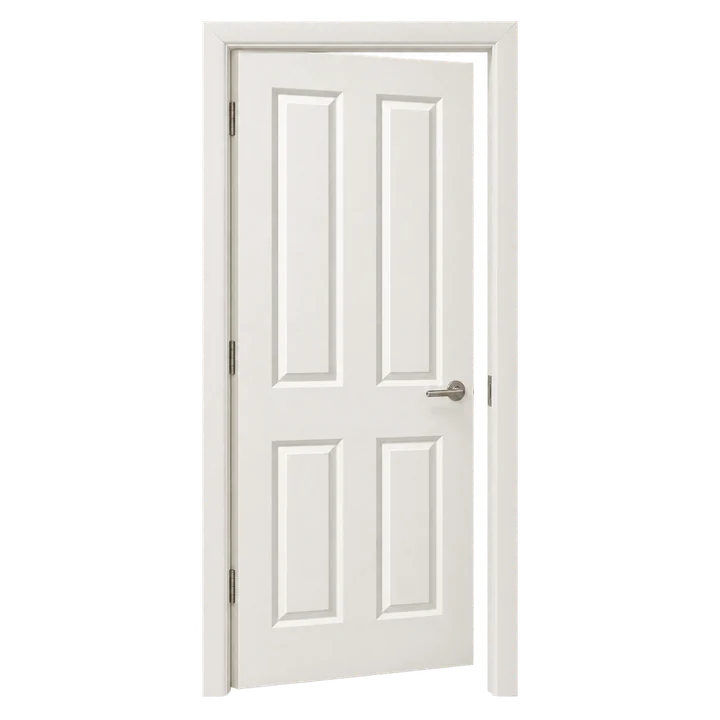
With an ordinary internal door, move it slowly through its normal swing and listen. Keep fingers away from the hinges and closing gaps. Note whether the sound continues throughout the movement, happens at one point, or only appears when you press the handle. A short video with sound can be more useful for an enquiry than a close-up alone.
Scroll across to see all columns.
| What you notice | What to check next |
|---|---|
| Squeak near a hinge during the swing | Hinge identity, visible dirt and its maintenance instructions. |
| Scraping at one point, with a visible rub mark | Door-to-frame or floor contact; follow the sticking-door checks. |
| Clicking or a hinge leaf moving against timber | Fixing security and the condition of the door and frame. |
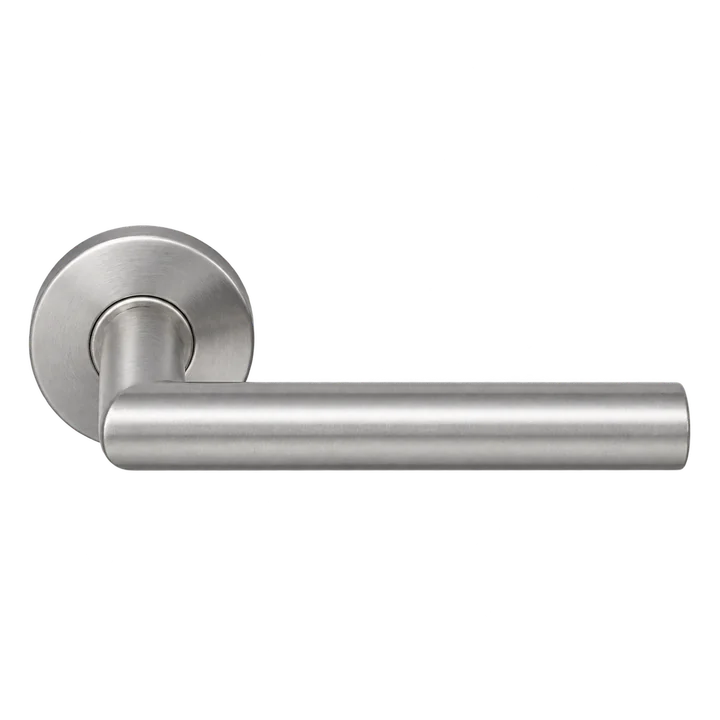
| Noise only while operating the handle | The handle and latch mechanism, with the door open. |
| Noise from a closer or concealed mechanism | The exact hardware instructions; do not treat it as an exposed butt hinge. |
This separates observations rather than diagnosing a hidden fault. If an edge catches, use the sticking internal door guide. If the handle feels loose or fails to return, see loose handles and latch checks. One door can have more than one problem.
Which door hinges can you lubricate?
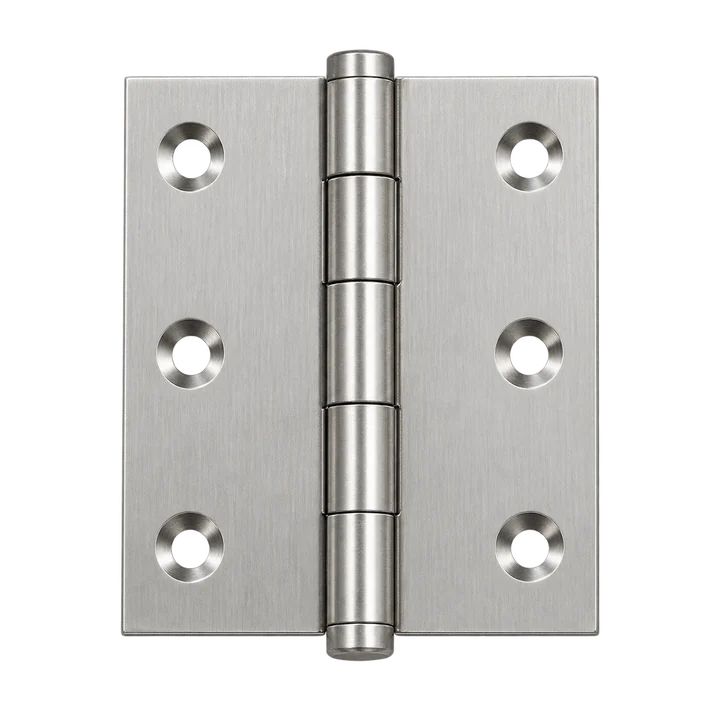
Look for a maker's name or model marking without dismantling the hinge. An exposed hinge with two leaves and a cylindrical joint is different from a concealed hinge with several moving arms. Appearance alone does not tell you which lubricant, if any, is suitable. Keep the door or hardware paperwork if available.
For a specific example, Carlisle Brass's ball-bearing hinge care sheet permits a small application of its listed lubricants at the knuckle joints where operation feels stiff, followed by wiping away excess. It also calls for secure fixings and regular inspection. That is guidance for the hinges covered by that sheet.
By contrast, SIMONSWERK's TECTUS care instructions say that the covered maintenance-free slide bearings must not be lubricated because damage can result. This is why a general 'spray every hinge' remedy is unreliable.
If you cannot identify the hardware, send clear photographs of the open hinge, its markings and the whole door. Ask the supplier or arrange an assessment before applying a product. Do not remove decorative caps, adjust concealed screws or knock out a hinge pin just to find out what is inside.
How do you treat a hinge that allows lubrication?
Use this sequence only for an ordinary internal door whose hinge instructions permit the proposed care. Gather the approved lubricant, a clean cloth and suitable floor protection. Read the product's application and ventilation directions before opening it.
- Check the hardware first. Stop if a hinge is bent, a fixing is missing, timber is split or the door feels unstable. Lubrication will not secure those parts.
- Protect the surrounding area. Keep the floor, nearby textiles and painted surfaces clear of drips and overspray. Check that the product is compatible with adjacent finishes.
- Clean as instructed. Remove accessible surface dirt using the hinge maker's approved method. Do not use an abrasive pad or solvent on an unidentified decorative finish.
- Apply only where specified. Use the instructed amount and application point. A narrow applicator can help control a product that is intended for that use; flooding the joint is unnecessary.
- Move and inspect. Where the instructions direct it, move the door gently to distribute the product, wipe up excess and listen again. Recheck the full swing and latch operation.
WD-40's hinge article illustrates protecting the area, applying its named product and moving the door. The page also says to follow packaging warnings. It does not establish compatibility with every hinge or finish.
What if the squeak returns or the door still feels stiff?
Record what changed after the first appropriate treatment. Did the sound disappear completely, become quieter or move to another part of the door? Does the door still catch? If the result is short-lived, reassess the source instead of repeatedly adding different sprays.
Look again for rubbing marks, uneven gaps or movement where the hinge meets the timber. A screwdriver that spins without securing a fixing indicates a different issue from dry hinge movement. Avoid forcing in a larger screw without assessing the material, hardware and door type.
Dark residue is also worth photographing. Carlisle Brass explains that grease can emerge from some newly fitted ball-bearing hinges and collect dirt. Residue on its own therefore does not establish the cause of a noise. Continuing stiffness, visible wear or an unstable hinge needs assessment rather than a cosmetic wipe alone.
When should you leave the door for assessment?
Arrange help if the door is difficult to control, a hinge is pulling away, fixings are damaged, or the noise comes from an unidentified closer, pivot or concealed assembly. Do not disconnect a closer or remove hinge screws to experiment. Sudden changes affecting several doors or accompanied by damp or new cracks also need their cause assessed.
Fire doors and flat entrance doors need a separate maintenance approach. The British Woodworking Federation's fire-door guidance treats the leaf, hinges, seals and closing action as parts of one assembly. Report a fault to the responsible owner or building manager and arrange competent assessment. Do not wedge a fire door open or alter its closer to silence it.
How much does a squeaky-door repair cost?
There is no reliable fixed repair price from the sound alone. A suitable hinge-care task, repairing damaged fixings and replacing hardware involve different work. Establish the fault and any required parts before comparing quotes.
Colin Home Service's minimum labour charge is £50 including VAT, covering work up to one hour. Each additional 30 minutes is £25 including VAT. Materials are charged at their net cost plus 10%, then 20% VAT. There is no separate travel or parking charge.
For example, 90 minutes of agreed labour would be £75 including VAT, before materials. That is a calculation example, not a prediction that your door needs 90 minutes. See the full rates and materials guide for the pricing method.
For a home repair enquiry, send your postcode, the door's location, hinge photographs and a short description of when it squeaks. Include whether it closes and latches, any previous treatment and other small jobs you want assessed. A combined list helps plan the work; it does not guarantee that everything fits into the minimum charge.
My Tolworth door-repair notes explain the details to send after painting or flooring changes. If the door also rubs, include the contact point and recent work with the hinge photos; noise and restricted movement may need different attention.
Sources used in this guide
Show me the door and its hinges.
Send your postcode, a wider door photo, hinge close-ups and a short video with sound if possible. Tell me whether it catches or fails to latch and what has already been applied to it.
Home repairs enquiries are welcome from Kingston, Richmond and Merton.
Message me on WhatsApp